


Heart Health in Old Age: What to Watch Out For
As we age, many changes occur in the body. These changes most significantly affect the heart and vascular system. Minor discomforts that are not felt much in younger years can turn into serious health problems as we age. It is very important to take conscious steps to protect heart health. So, what should be considered for heart health in old age? What do you need to know to live a healthy life?
Why is Heart Health Important in Old Age?
During the aging process, the heart and blood vessels lose their elasticity. This makes blood flow more difficult and causes the heart to work harder. At the same time, blood pressure rises, blood vessels harden, and the risk of heart disease increases.
The incidence of heart disease in old age is quite high. Heart attack, high blood pressure, arrhythmias, and heart failure are the most common problems. Therefore, taking measures to protect heart health is vitally important.
Changes in the Heart During the Aging Process
Over time, the heart muscle can stiffen and its ability to pump blood can decrease. At the same time, the arteries narrow. This makes blood flow more difficult. The heart rhythm can become more irregular, and blood pressure problems become more common.
In addition, the body's response to stress and physical exertion also changes. Exertion that is easily tolerated at a young age can put more strain on the heart as we age. Therefore, taking precautions for heart health in old age is of great importance.
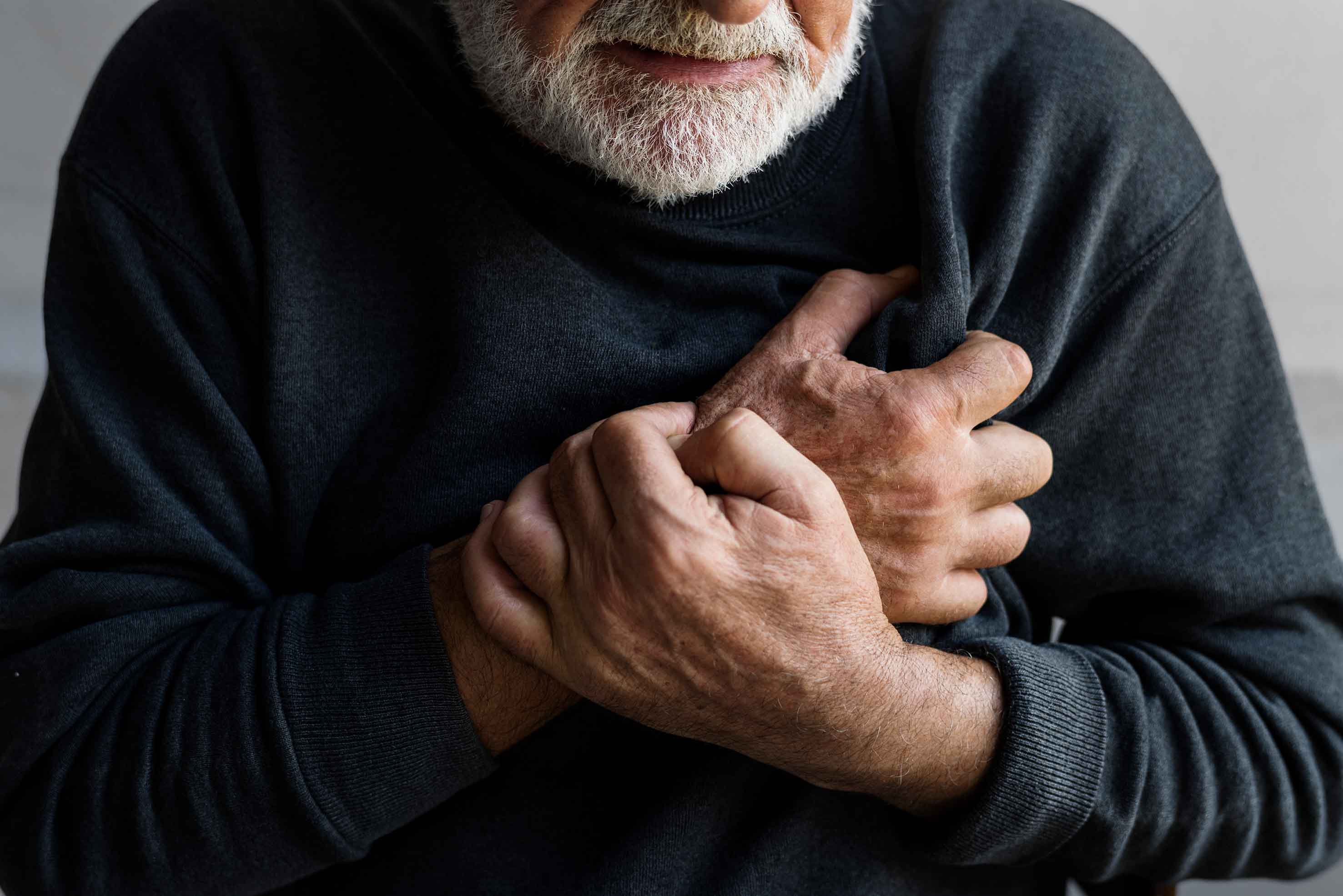
Nutrition Recommendations for Maintaining Heart Health
Healthy eating is one of the cornerstones of maintaining heart health. A balanced diet consisting of natural foods can reduce the risk of heart disease. Some dietary habits to pay attention to are as follows:
- Reduce Salt Intake: Excessive salt consumption can raise blood pressure and increase the burden on the heart.
- Avoid Saturated Fats: Saturated fats in red meat and processed foods can lead to clogged arteries.
- Increase Vegetable and Fruit Consumption: Vegetables and fruits rich in fiber support vascular health.
- Opt for Omega-3 Sources: Foods such as fish, walnuts, and flaxseed are heart-friendly.
- Stay Away from Sugary and Processed Foods: Excessive sugar consumption can strain the heart by increasing the risk of obesity and diabetes.
Developing regular and healthy eating habits helps protect heart health in the long term.
The Effect of Physical Activity on the Heart
Exercise helps the heart function more healthily. Although mobility decreases with age, regular exercise provides great benefits for heart health in old age.
- Walking: Walking for at least 30 minutes a day supports heart health.
- Doing Low-Intensity Exercises: Low-intensity exercises such as yoga and Pilates protect heart health.
- Avoiding Heavy Lifting: Heavy lifting can create excessive strain on the heart, posing a risk.
- Doing Stretching Exercises: Stretching and relaxing muscles supports circulation and balances blood pressure.
It is important not to overdo exercise and not to strain the body. If symptoms such as shortness of breath or chest pain occur during exercise, a doctor should be consulted.
Habits That Support Heart Health in Old Age
Adopting a healthy lifestyle ensures that the heart remains strong for many years. Some habits to pay attention to are as follows:
- Stay Away from Cigarettes and Alcohol: Cigarettes can trigger heart disease by causing vascular blockages.
- Drink Enough Water: Dehydration can negatively affect blood circulation.
- Get Regular Health Checkups: You should not neglect doctor checkups to monitor your heart health.
- Stay Within a Healthy Weight Range: Obesity can cause the heart to work harder.