

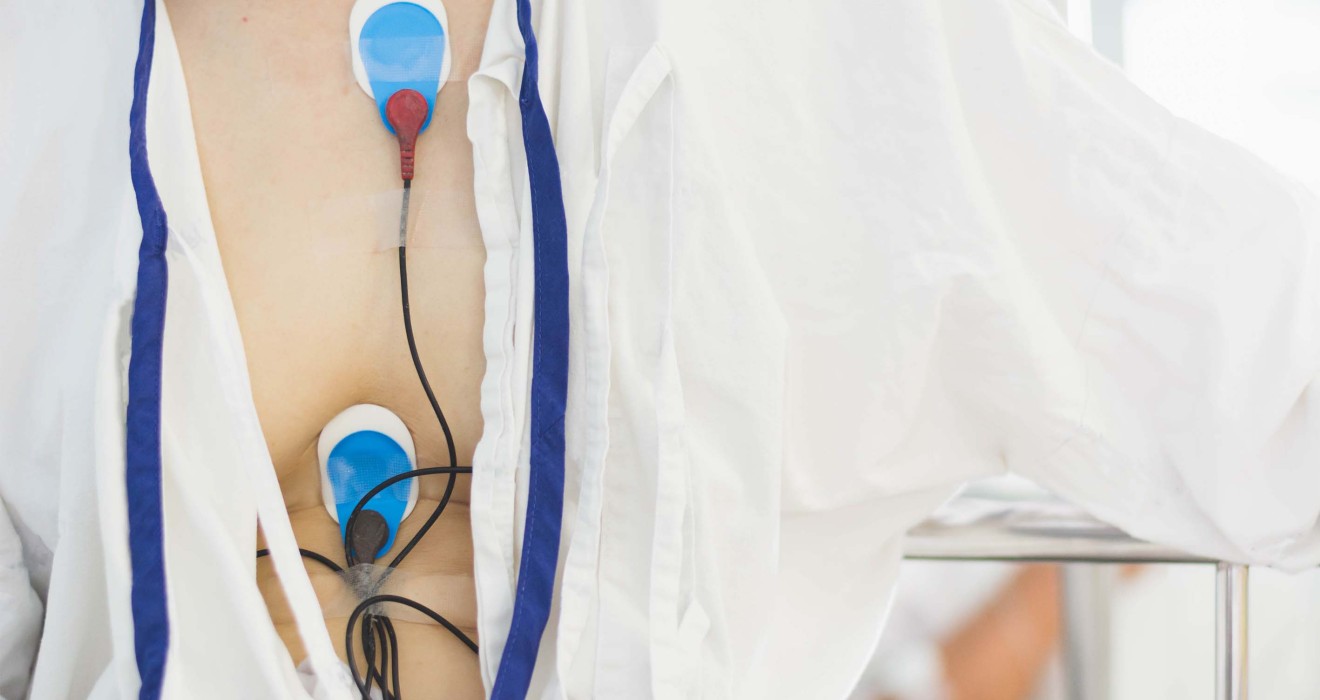
Which Holter Monitor Should Be Used for Patients?
Heart health is of critical importance for the overall health of the body. Therefore, heart diseases must be diagnosed correctly. Heart rhythm disorders can lead to a series of health problems that may result in a heart attack. The Holter device is widely used to monitor heart rhythm and detect possible arrhythmias. However, there are differences regarding which type of Holter device is suitable for different patients.
What Is a Rhythm Holter Device?
The Holter device is a portable device that continuously monitors and records the electrical activity of the heart for 24 hours or longer. It works similarly to an electrocardiogram (ECG) device but provides longer monitoring. In this way, abnormal changes in heart rhythm can be detected even during the patient’s daily activities.
The device is usually worn by the patient for a 24-hour period. Through electrodes, it records the heart’s electrical signals. Rhythm Holter devices are very effective tools for examining heart rhythm and are especially used to detect temporary rhythm disorders.
What Are the Types of Rhythm Holter Devices?
Rhythm Holter devices can have different features depending on various needs. The type of device to be attached depends on the patient’s complaints, medical history, and the doctor’s recommendation. The most commonly used devices are as follows:
24-Hour ECG Holter
The most commonly used type of Holter is the 24-hour ECG Holter. This device continuously records the heart’s electrical activity for 24 hours. It is generally used in the following cases:
- Temporary rhythm disorders
- Evaluation of complaints such as dizziness or fainting
- Monitoring heart rhythm after a heart attack
Who Is It Suitable For?
It is suitable for patients suspected of having temporary rhythm disorders. It is also used to determine the cause of complaints such as dizziness or fainting.
Long-Term Holter (2-Day or 3-Day)
For some patients, a 24-hour monitoring period may not be sufficient. In such cases, longer-term devices are preferred. Devices that monitor the heart rhythm for 2 or 3 days provide longer observation and are sometimes used to detect more complex rhythm disorders.
Who Is It Suitable For?
This type of device is suitable for patients with suspected continuous rhythm disorders or complaints related to temporary arrhythmias.

Event Holter
The Event Holter provides an electrocardiogram recording associated with the patient’s complaints during a specific time period. This device allows the patient to record data at the moment they experience rhythm disturbance symptoms. After the device is placed, the patient can determine the moments during activity when data will be recorded.
Who Is It Suitable For?
This device is generally suitable for patients focusing on specific complaints. It is preferred in cases where temporary palpitations or fainting events need to be recorded.
Advanced Holter (For Complex Conditions)
Advanced devices are used to monitor complex conditions. These types of devices can make more sensitive measurements to detect structural abnormalities in the heart muscle. In addition, some advanced devices also record data such as oxygen level and heart rate.
Who Is It Suitable For?
It is generally suitable for patients with more serious suspected heart conditions. It is especially used in cases such as advanced heart failure or post-heart attack treatment monitoring.
In Which Cases Should a Rhythm Holter Be Used?
It is generally used in the following situations:
Suspected Heart Diseases: It may be recommended for patients who do not show obvious symptoms but are suspected of having heart disease.
Temporary Rhythm Disorders: The heart rhythm may become irregular from time to time. These disorders are often temporary. The Holter device is used to detect temporary rhythm disorders.
Arrhythmia Symptoms: The device can be attached to patients who show arrhythmia symptoms such as palpitations, dizziness, or fainting.
Post-Heart Attack Monitoring: The heart rhythm of patients who have had a heart attack should be regularly monitored. The device is an important tool in this process.
Monitoring the Effects of Treatment: Some medication treatments can affect heart rhythm. The device monitors the patient’s rhythm during treatment, helping ensure treatment suitability.